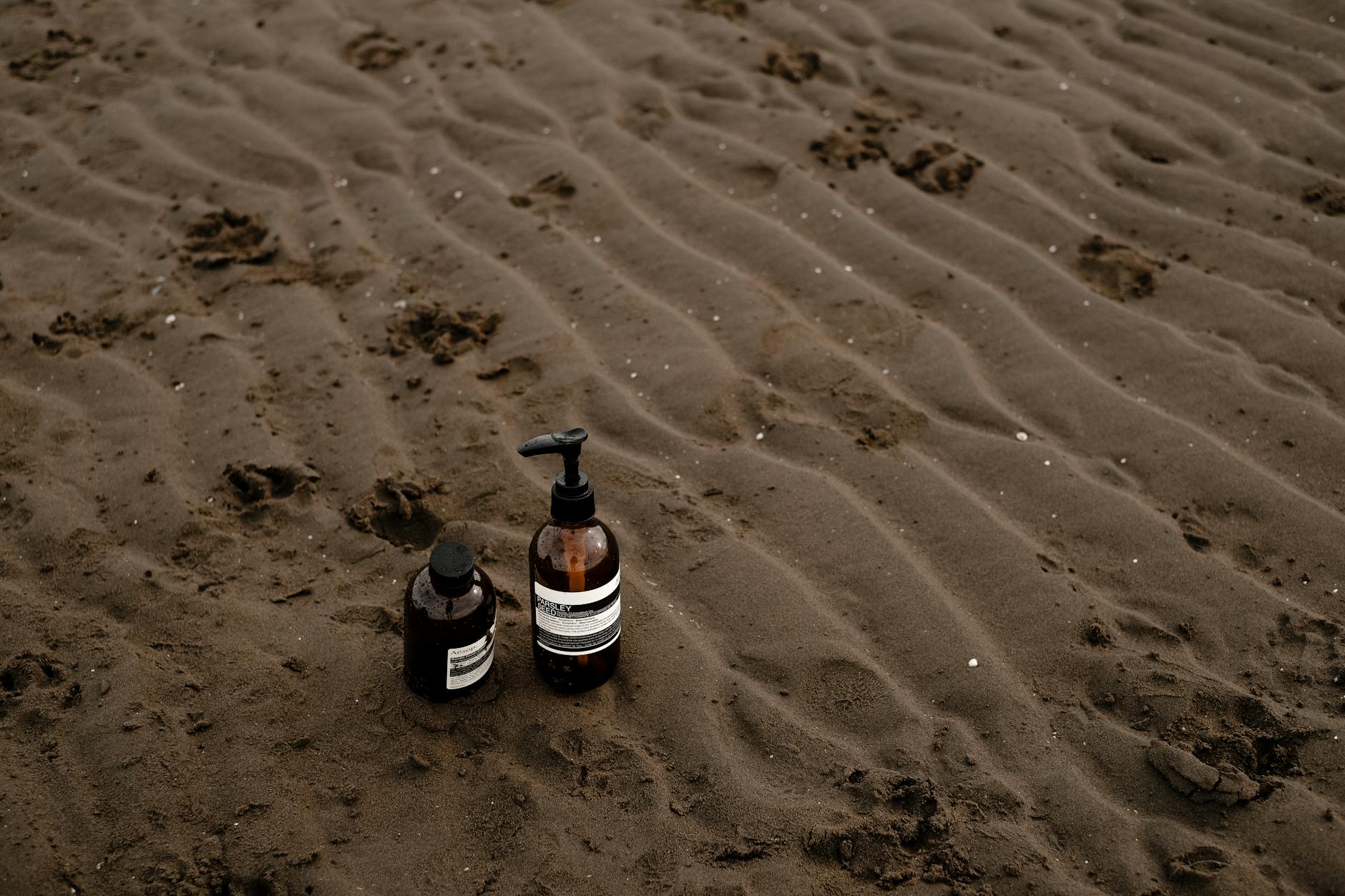
Non-toxic cleaning products that actually work use plant-derived surfactants like coco glucoside from coconut oil, enzymes that break down organic stains at a molecular level, and antimicrobial agents like thymol from thyme oil. Brands such as Branch Basics, Seventh Generation, and Better Life consistently perform comparably to conventional cleaners in independent testing, without harsh synthetic chemicals.
Published: March 13, 2026 | Last Updated: March 13, 2026
Why Non-Toxic Cleaning Products Have a Bad Reputation (And Why It's Outdated)
The reputation problem is real. Early "natural" cleaners from the 1990s and early 2000s often used weak concentrations of simple plant extracts with no surfactant backbone, no enzymes, and no mechanism for actual soil lift. They smelled like herbs and left surfaces tacky. That reputation stuck.
Conventional cleaners set a brutal performance bar. Sodium hypochlorite (bleach) kills pathogens in seconds. Quaternary ammonium compounds cut grease fast. These results were visible, immediate, and came with a chemical scent that consumers learned to associate with "clean." That association is psychological, not scientific, but it shaped purchasing behavior for decades.
The green cleaning market has changed substantially since then. Modern brands now invest in the same formulation science as conventional manufacturers, with plant-derived enzyme technology closing the effectiveness gap in measurable ways. Third-party labs and consumer testing organizations like Good Housekeeping and Reviewed regularly validate natural cleaners in blind head-to-head tests against conventional counterparts.
Consumer perception simply lags behind current science. The products parents were skeptical of in 2010 are not the products on shelves today.
How Conventional Cleaners Set the Performance Standard
Blame the chemistry. Bleach works by oxidative destruction of cell walls. Synthetic surfactants like sodium laureth sulfate (SLES) lower surface tension aggressively. These mechanisms are fast, cheap, and visible. The problem is the trade-off: SLES carries a documented risk of 1,4-dioxane contamination, a likely human carcinogen (epa.gov). Quaternary ammonium compounds, or "quats," are linked to respiratory sensitization and are raising concern around antibiotic resistance in peer-reviewed literature (nih.gov). Consumers are reconsidering those trade-offs.
What Changed: Modern Plant-Based Formulation Science
Enzyme-based cleaners represent the most significant leap. These are biologically active proteins that catalyze the breakdown of specific stain molecules. Protease attacks protein bonds in blood or pet messes. Amylase breaks apart starch chains from pasta or grains. Lipase dismantles fat and oil molecules. These reactions happen at the molecular level, not just on the surface, which means they eliminate the stain source rather than masking it.
Concentrated plant-derived surfactants now match synthetic ones in surface tension reduction, the core mechanism behind cleaning. The science is there. So are the certifications to prove it.
Key Ingredients in Non-Toxic Cleaners That Actually Do the Work
Knowing what's inside a product is the only reliable way to evaluate it. Labels matter.
Surfactants: The Core Cleaning Agents Explained
Surfactants are the workhorses. They contain a water-attracting head and an oil-attracting tail, which lets them physically surround grease and soil particles and suspend them in water for rinsing. Without surfactants, most cleaning solutions are just wet.
Plant-based surfactants like coco glucoside (derived from coconut and corn glucose) and sodium coco-sulfate perform the same surface tension reduction as petrochemical alternatives, but they biodegrade readily and have a low skin-irritation profile. They're the foundation of effective plant-based surfactants in every credible non-toxic formula. Avoid products that list sodium laureth sulfate (SLES) without disclosing 1,4-dioxane testing, and watch for vague terms like "surfactant blend" with no further disclosure.
Enzymes: The Secret Weapon in High-Performance Natural Cleaners
Ezyme cleaners don't just clean. They digest. Protease severs peptide bonds in protein-based messes. Amylase hydrolyzes glycosidic bonds in starches. Lipase breaks ester bonds in fats. Each enzyme is specific to a substrate, which means a well-formulated enzyme cleaner targets the actual chemistry of a stain rather than relying on brute-force oxidation.
This matters most for pet owners. A bleach spray kills surface bacteria, but it doesn't break down the uric acid crystals that make pet urine odor return after drying. Enzyme cleaners for pet urine specifically target those crystals at a molecular level, which is why they outperform bleach on odor elimination. This is one reason enzyme cleaners represent the category where non-toxic products genuinely exceed conventional ones.
Antimicrobials, Oxidizers, and Probiotic Cleaners
Products like Benefect Botanical use thymol as their primary disinfecting agent and carry full EPA registration, meaning their germ-kill claims are federally verified, not just marketing language. Thymol works by disrupting bacterial cell membranes, essentially dissolving the lipid layer that keeps the cell intact. This is mechanically equivalent to how quats work, but without the respiratory sensitization risk.
It disinfects effectively and then decomposes into water and oxygen, leaving zero chemical residue. This makes hydrogen peroxide cleaner formulas particularly valuable in kitchens and around food-contact surfaces where chemical residue is a legitimate concern.
Probiotic cleaners represent a newer innovation with genuine scientific backing. These products contain beneficial live bacterial cultures that colonize surfaces after application, continuing to break down biofilm and organic waste for hours or days after a single cleaning. Unlike one-time chemical disinfectants, probiotic cleaners competitively outcompete harmful bacteria for resources, providing longer-lasting surface hygiene without repeat chemical application. The mechanism is ongoing microbial action, not a single destructive event. Independent research published in peer-reviewed journals supports biofilm reduction via probiotic surface treatments, particularly in environments prone to recontamination (nih.gov).
Dry Steam: A Chemical-Free Disinfection Option
Dry steam cleaning deserves a mention as a chemical-free home disinfection tool. Superheated steam at temperatures above 250°F denatures proteins in bacterial and viral cell structures. Research has shown EPA-qualified disinfection can occur in as little as 7 seconds via superheated steam, with documented kill rates against MRSA, norovirus, and other pathogens. For families who want zero-chemical disinfection on hard surfaces, steam is a legitimate complement to non-toxic liquid cleaners.
Ingredients to Avoid and Why They Matter
Phthalates are used to stabilize synthetic fragrances and are classified as endocrine disruptors in peer-reviewed research (nih.gov). Endocrine disruptors cleaning products should not carry: triclosan (banned by the FDA in hand soaps but still present in some surface cleaners), chlorine bleach used alongside ammonia-based products (which produces toxic chloramine gas), and quats in combination with other cleaning chemicals. Full ingredient disclosure is the baseline expectation from any brand worth trusting.
How to Spot Greenwashing vs. Genuinely Non-Toxic Cleaning Products
Greenwashing is pervasive. The terms "natural," "green," "eco-friendly," and even "plant-based" have no legal definition in the United States. Any brand can print them on any label without third-party verification. This is the first thing parents and pet owners need to internalize.
Certifications That Actually Mean Something
Certifications are your shortcut to verified ingredient transparency. Not all are equal.
The EPA Safer Choice label means every ingredient in the formula has been individually evaluated for human health and environmental safety. This is a rigorous, ingredient-by-ingredient review, not a blanket endorsement. Products with EPA Safer Choice certification, including Seventh Generation Free & Clear laundry detergent, have passed a documented screening process.
EWG Verified uses the Environmental Working Group's ingredient database to screen against known hazards. It requires full fragrance disclosure and prohibits ingredients of concern not yet fully regulated.
MADE SAFE prohibits over 6,500 known or suspected harmful chemicals. It's one of the strictest standards available for household products.
USDA Certified Biobased confirms the percentage of ingredients derived from renewable biological sources, which speaks to environmental footprint but not necessarily toxicity. Know the difference.
Leaping Bunny confirms no animal testing at any stage of production, a relevant signal for ethically motivated shoppers.
If a product has none of these and uses only vague marketing language, treat it with skepticism regardless of the label design.
How to Read a Cleaning Product Label Like an Expert
Ingredient transparency is binary. Either a brand discloses everything or it doesn't. Here's a practical process:
- Look for a complete ingredient list, not just "hero" ingredients bolded on the front label.
- Search any unfamiliar ingredient on the EWG Skin Deep database or EPA chemical dashboard before purchasing.
- "Fragrance" listed as a single ingredient is a red flag. A single fragrance ingredient can legally contain hundreds of undisclosed chemicals. Brands committed to ingredient transparency list fragrance components individually.
- QR codes linking to Safety Data Sheets (SDS) are a transparency signal worth trusting. If a brand won't show you an SDS, ask why.
At CleanSlate Home, we believe that if you can't pronounce an ingredient, we should explain it to you, not hide it. Ingredient transparency is non-negotiable.
Non-Toxic Cleaning Products That Perform Best by Category
Different cleaning tasks require different active mechanisms. No single product does everything optimally. Here's what actually works in each category.
All-Purpose Cleaners
Branch Basics Concentrate is a concentrated cleaning products system using a combination of plant-derived surfactants and chelating agents. A single concentrate bottle dilutes into multiple spray bottles for different tasks, reducing both plastic waste and cost per use. Meliora All-Purpose Spray uses a similar approach with full ingredient transparency and MADE SAFE certification.
Look for formulas with a pH around 8 to 10 for effective degreasing without surface damage. Enzyme-boosted all-purpose cleaners handle food messes and pet stains far better than basic soap-and-water formulas.
Laundry Detergents
Seventh Generation Free & Clear and Dropps are both EWG Verified with documented stain removal scores in comparative tests. Enzyme-rich laundry formulas containing protease and amylase are essential for cold-water washing effectiveness, since enzymatic reactions don't require heat to catalyze the way chemical reactions do. Fragrance-free cleaners in the laundry category are particularly valuable for children and anyone with asthma or skin sensitivities.
Bathroom and Disinfecting Cleaners
Thymol-based non-toxic disinfectants like Benefect Botanical are EPA-registered with verified germ-kill claims. Seventh Generation Disinfecting Bathroom Cleaner carries EPA Safer Choice certification with documented pathogen reduction. These are not brand claims. They're federally verified.
Follow dilution instructions carefully and test on a small inconspicuous area before applying concentrated formulas to new surfaces. Citric acid-based descalers, for example, can dull certain metal finishes with prolonged contact, even though they're non-toxic. Effective use requires reading the directions. That's not a caveat specific to non-toxic products; it applies to every cleaning product category.
DIY Cleaning Recipes vs. Formulated Non-Toxic Products: What Works Better
The DIY debate deserves a direct answer. Vinegar and baking soda are real cleaning agents with real but limited applications. They are not a whole-home cleaning solution.
What Vinegar and Baking Soda Can and Cannot Do
Citric acid, used in many formulated descaling products, removes calcium deposits effectively, as research on decalcifying agents confirms that 15% citric acid removes 77.03% of calcium in the first 5 minutes (ugr.es). That's meaningful descaling power from an acid found in lemons.
Baking soda provides gentle abrasion for scrubbing sinks and tubs without surface scratching. These are real uses.
Here's what neither can do: lift grease. Neither vinegar nor baking soda contains surfactants, so they cannot form the oil-attracting interface needed to emulsify and remove fat-based soils. And mixing them together cancels out both compounds. The acid-base neutralization reaction produces water and carbon dioxide, with no residual cleaning activity. The fizzing is dramatic. The cleaning benefit is zero.
When a Formulated Product Is Worth the Investment
For pet urine, vomit, or biological stains, there is no pantry substitute for enzyme cleaners. The uric acid crystals in pet urine require enzymatic digestion. Vinegar masks the smell temporarily. Enzymes eliminate it.
Concentrated non-toxic products often cost less per use than single-use conventional alternatives once you account for dilution ratios. Refillable cleaning systems like Branch Basics or Blueland reduce long-term plastic waste and per-ounce cost meaningfully. The upfront cost is higher. The cost-per-clean is lower.
DIY formulas work for specific jobs. Formulated products work for all of them, consistently, every time.
Frequently Asked Questions
Are non-toxic cleaning products as effective as conventional cleaners with bleach or ammonia?
What ingredients make a cleaning product genuinely non-toxic?
How do I know if a 'natural' cleaning product is greenwashing?
Are non-toxic cleaners safe to use around babies and pets?
Do non-toxic cleaning products disinfect and kill germs?
Why shouldn't I mix vinegar and baking soda for cleaning?
Are non-toxic cleaning products more expensive than regular ones?
What certifications should I look for when buying non-toxic cleaning products?
What are the best non-toxic cleaning products for pet owners?
How do probiotic cleaners compare to traditional disinfectants?
Are there any non-toxic cleaning products that are also budget-friendly?
Can I use hydrogen peroxide as a substitute for bleach in all cleaning tasks?
What are some effective homemade non-toxic cleaning solutions?
Sources & References
- EPA Safer Choice Program (opens in a new tab)[gov]
- National Institutes of Health - Chemical Safety Research (opens in a new tab)[gov]
- Decalcifying Effect of 15% EDTA, 15% Citric Acid, 5% Phosphoric Acid (opens in a new tab)[edu]
- Reviewed - Best Toilet Bowl Cleaners of 2026 (opens in a new tab)[industry]
Related Posts
DIY Cleaning Recipes: 5 That Actually Work (and 3 Dangerous Combos to Avoid)
Not all DIY cleaning recipes are created equal — some genuinely work, and some create toxic gases in your kitchen sink. This guide breaks down exactly which homemade cleaners are worth your time and which combinations are quietly dangerous for your family and pets.
16 min read
What 'Plant-Based' Actually Means on Cleaning Product Labels (And What It Doesn't)
The term 'plant-based' on a cleaning label sounds reassuring—but it's largely unregulated and can mean almost anything. This guide breaks down exactly what plant-based claims do and don't guarantee, so you can shop with confidence and stop second-guessing ingredient lists.
15 min read
How to Detox Your Home: A Room-by-Room Guide to Non-Toxic Cleaning
Detoxing your home means systematically replacing chemical-laden cleaning products with safer, plant-based alternatives — starting with the rooms where kids and pets spend the most time. This room-by-room guide shows you exactly which products to swap, which ingredients to avoid, and how to make the transition without sacrificing cleaning power.
17 min read