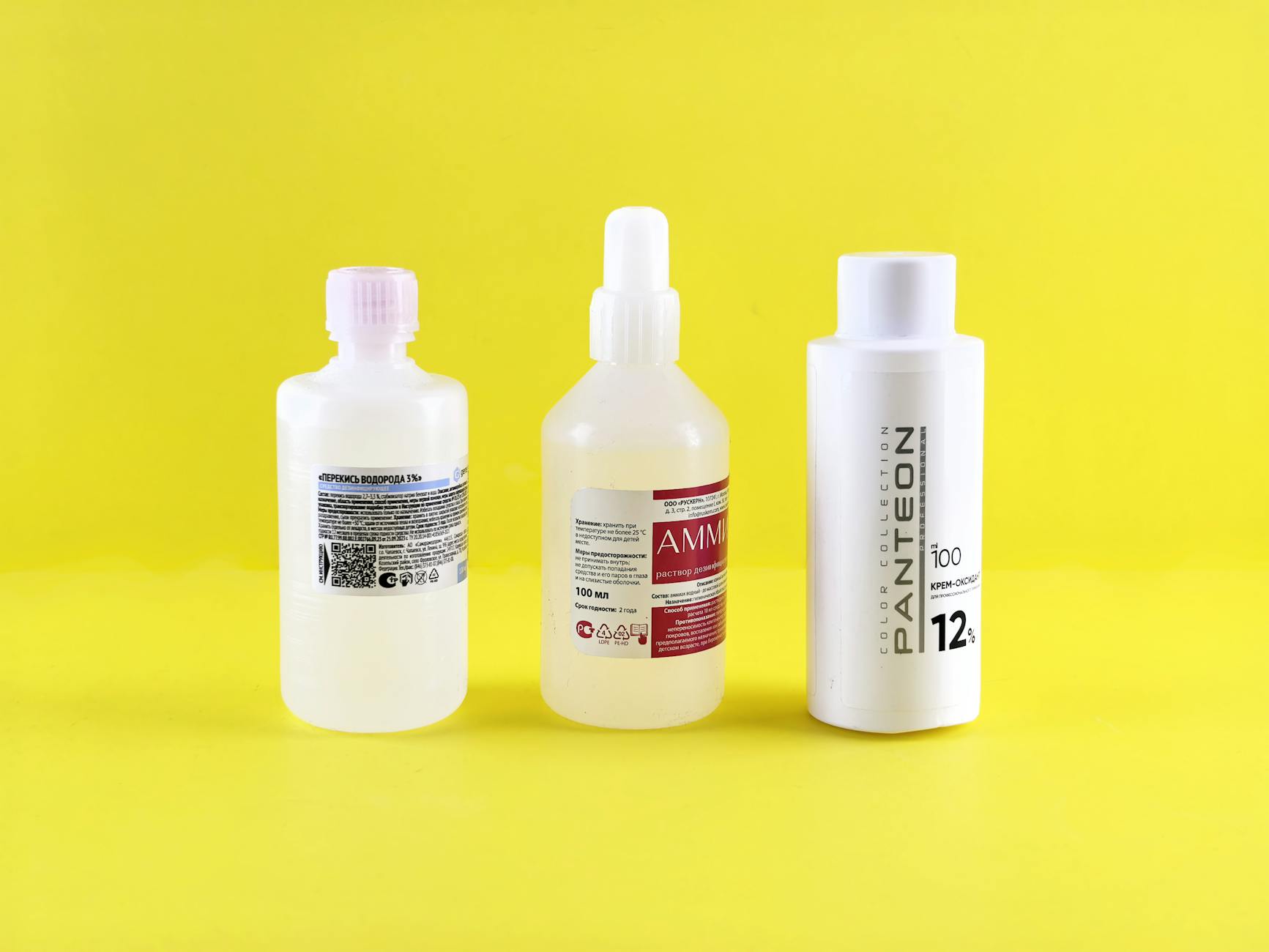
"Plant-based" on a cleaning label means one or more ingredients were derived from plants like coconut, corn, or citrus. It does not mean the product is non-toxic, chemical-free, or fully natural. The term has no legal definition for cleaning products, so a product can carry that label while still containing synthetic preservatives, fragrances, or harsh additives.
The Legal Reality: 'Plant-Based' Is an Unregulated Marketing Term
No U.S. federal agency legally defines "plant-based" for household cleaning products. Not the EPA. Not the FDA. Not the FTC. Brands self-apply the term with zero required proof and no third-party verification before a product reaches store shelves.
A manufacturer can add one coconut-derived surfactant to an otherwise synthetic formula and legally call the result "plant-based." That's the loophole. And it's wide open.
This situation differs meaningfully from food. In food, terms like "organic" require USDA certification and supply chain audits. Cleaning products operate in a separate regulatory universe where the FTC's Green Guides address vague environmental claims broadly but do not specifically define or restrict "plant-based" language (federalregister.gov). The Green Guides set standards for claims like "recyclable" or "compostable" by requiring qualification and context, but "plant-based" remains a gap in formal guidance.
The practical result: 53% of consumers can't identify greenwashing claims on product packaging (greenqueen.com.hk). That number should alarm anyone who shops by label.
What Regulators Actually Oversee on Cleaning Labels
The EPA regulates disinfectants and sanitizers under FIFRA (Federal Insecticide, Fungicide, and Rodenticide Act), but general-purpose cleaners fall outside that mandate. OSHA requires Safety Data Sheets for workplace chemical use, not consumer household cleaners. The FTC can act on provably false claims after the fact but does not pre-screen labels before products ship.
Perhaps most striking: no law requires full ingredient disclosure for household cleaning products in the U.S. A company can legally omit ingredients that make up a small percentage of the formula or hide them under catch-all terms like "fragrance."
How 'Plant-Based' Differs from 'Natural,' 'Green,' and 'Non-Toxic'
"Natural" is equally unregulated and used interchangeably with plant-based on most shelves. "Green" typically signals environmental intent, not ingredient safety. "Non-toxic" has a loose legal threshold grounded in acute toxicity levels, meaning a product passes as non-toxic if it doesn't kill a lab animal at a certain dose concentration. That threshold says nothing about chronic low-level exposure, skin sensitization, or endocrine disruption.
Non-toxic formulations, when the term is used responsibly, aim to avoid harsh chemicals like bleach, ammonia, phthalates, synthetic fragrances, and VOCs. But without third-party verification, you're trusting a brand's self-assessment. Only certifications like EPA Safer Choice or EWG Verified carry independently reviewed standards that go beyond acute toxicity.
How Plant-Derived Ingredients Actually Work in Cleaners
Plant-based cleaning chemistry centers on surfactants. The word comes from "surface-active agent." A surfactant molecule has two ends: one water-loving (hydrophilic) and one oil-loving (hydrophobic). The hydrophobic tail embeds in grease or soil. The hydrophilic head stays anchored to the water. When you wipe, the molecule lifts the soil into the water where it can be rinsed away. This is emulsification. It's elegant and it works.
Common plant-derived surfactants include decyl glucoside (from corn and coconut), lauryl glucoside, and sodium coco-sulfate. These glucoside-based surfactants are generally considered gentle and have favorable biodegradability profiles compared to many petroleum-derived alternatives. Citric acid, fermented from citrus, functions as a descaler and pH adjuster. Essential oils like tea tree and eucalyptus provide antimicrobial action in some formulations, though their kill efficacy varies by concentration and pathogen.
Synthetic surfactants like sodium laureth sulfate (SLES) work by the same mechanism but are built from petrochemical feedstocks. Performance between plant-derived and synthetic surfactants is often comparable for everyday soil removal. The trade-offs appear in biodegradability, skin compatibility, and manufacturing environmental footprint, not cleaning mechanism.
From Plant to Bottle: Why 'Derived From' Matters
A coconut-derived surfactant starts as coconut oil but may undergo 10 or more chemical processing steps before it becomes decyl glucoside. The final molecule can look structurally different from its plant source. This matters because "derived from" doesn't mean "unchanged from."
Transparent brands disclose not just origin but the INCI name (International Nomenclature of Cosmetic Ingredients) of the final ingredient form. If a label says "plant-based surfactants" without listing specific INCI names, that's a clue that full transparency isn't a priority. Look for specific names you can look up independently.
Plant-based products may still contain irritants, allergens, or other substances that could be harmful at high concentrations. Limonene, derived from citrus, is a popular natural fragrance component but a documented contact allergen. Linalool, common in lavender-based products, oxidizes over time and becomes a stronger sensitizer. Origin doesn't equal safety.
Recognizing Greenwashing on Cleaning Product Labels
Greenwashing is the practice of using misleading environmental or safety claims to attract eco-conscious buyers. It's pervasive in the cleaning category. Tactics range from obvious to subtle.
Nature imagery (pine forests, cascading waterfalls, green leaves) creates a visual association with purity that the formula may not support. Vague phrases like "gentle on the planet" or "made with the power of nature" carry no verifiable meaning. Partial ingredient disclosure, listing the plant-derived actives prominently while burying preservatives in fine print, is technically legal and widely practiced.
The FTC's Green Guides set a standard that environmental claims must be specific and substantiated, but enforcement is complaint-driven and resource-limited (federalregister.gov). Brands know this. Most greenwashing never faces formal action.
Five Label Red Flags Parents and Pet Owners Should Know
Know these. They matter.
Red flag 1: "Plant-based formula" with no ingredient list or incomplete disclosure. If a brand won't show you what's in the bottle, that's your answer.
Red flag 2: "Free of harsh chemicals" with no specifics. What chemicals? At what concentration? Vague absence claims are unverifiable.
Red flag 3: "Natural fragrance." Fragrance is a trade secret category covering potentially hundreds of undisclosed chemicals. "Natural fragrance" is no different legally. A fragrance-free cleaner or one with fully disclosed scent ingredients is the safer choice.
Red flag 4: Self-issued certifications or brand-created seals. A seal that says "CleanerCo Certified" proves nothing. Look for seals from independent third parties like the EPA or EWG.
Red flag 5: "Biodegradable" with no timeframe or conditions. As the FTC Green Guides illustrate with their composting example, context is everything (federalregister.gov). Almost everything biodegrades eventually. The question is how fast, under what conditions.
Certifications That Actually Mean Something
EPA Safer Choice is the most rigorous standard for cleaning products. Every ingredient in a formula, including processing aids and contaminants, is reviewed against safety criteria for human health and environmental impact. This is not a self-declaration. It's a review by EPA scientists.
EWG Verified requires full ingredient disclosure and prohibits chemicals on EWG's "Unacceptable" list, including many preservatives and synthetic fragrance components. It's a high bar.
USDA Certified Biobased verifies the percentage of bio-derived carbon content using carbon isotope testing. It confirms origin, not toxicity. Useful for understanding plant content, not a substitute for safety review.
Leaping Bunny and PETA cruelty-free certifications address animal testing practices, not formula safety. B Corp covers broader business ethics. None of these replace EPA Safer Choice or EWG Verified for ingredient-level safety assessment.
How to Evaluate a Plant-Based Cleaner for Safety Around Kids and Pets
Children and pets are more vulnerable to chemical exposure than adults. For example, consider a parent mopping kitchen floors with a conventional cleaner containing synthetic fragrance and quaternary ammonium compounds, then watching their toddler crawl across the still-damp surface while their dog licks its paws afterward. That residue is a daily exposure source that plant-based alternatives with full transparency can help eliminate. The reasons are physiological. Children have higher surface-area-to-body-weight ratios, faster respiratory rates, and hand-to-mouth behaviors that increase ingestion risk. Pets spend most of their time at floor level, grooming their paws and coats after contact with residue-coated surfaces.
At CleanSlate Home, we built our entire formulation framework around residue. What stays on the floor after mopping matters as much as what's in the bucket. A cleaner that leaves a film of synthetic preservative on hardwood is a daily exposure source for a crawling infant or a dog that licks its paws.
For a practical evaluation framework, apply these criteria:
- Full ingredient transparency with INCI names
- No synthetic fragrance ("fragrance" or "parfum" on the label means no)
- No quaternary ammonium compounds (quats like benzalkonium chloride), which are linked to respiratory sensitization and may contribute to antibiotic resistance
- No ethoxylated ingredients (those ending in "-eth"), which may contain 1,4-dioxane as a manufacturing byproduct
- Cross-reference the full ingredient list against the EWG Cleaning Products database before buying
PH matters too. Highly alkaline or acidic formulas, even plant-based ones, can irritate skin and mucous membranes on contact. A pH-neutral or mildly acidic formula is generally safer for surfaces where children and pets have direct contact.
Ingredients to Avoid Even in Plant-Based Formulas
Some ingredients appear in "natural" products while carrying genuine safety concerns.
Methylisothiazolinone (MIT) is a preservative common in water-based formulas. Studies have linked it to skin sensitization and, at higher concentrations, neurotoxicity. Sodium lauryl sulfate (SLS) is plant-derived from coconut but is a known skin and eye irritant at high concentrations. Optical brighteners coat surfaces with synthetic fluorescent compounds that don't rinse clean and have low biodegradability.
Synthetic fragrance deserves its own category. Phthalates (used as fragrance fixatives), musks, and dozens of undisclosed allergens can be present regardless of whether the rest of the formula is plant-based. Respiratory irritants in fragrance blends are a documented concern for children with asthma.
Plant-Based Cleaners vs. DIY Vinegar Solutions: An Honest Comparison
Vinegar has genuine utility. Acetic acid at standard household concentrations kills some bacteria and works well on mineral deposits and limescale. Baking soda is a mild abrasive and deodorizer. These are real effects.
But DIY recipes have limits. Serious ones.
Vinegar cannot emulsify oil. A greasy stovetop needs a surfactant to lift fat into suspension for removal. Acetic acid alone won't do it. The popular baking soda plus vinegar combination produces a fizzing reaction that looks impressive but partially neutralizes both ingredients, reducing the effectiveness of each. The fizz is theater.
Pet accident cleanup requires enzyme-based formulas that break down uric acid at the molecular level. Uric acid crystals are what cause the persistent odor after surface cleaning. No vinegar or baking soda recipe replicates enzymatic action. Enzyme cleaners are the correct tool.
DIY recipes also carry a consistency problem. Concentration varies batch to batch. There's no preservation system, so microbial contamination of the solution itself is possible over time. And the time cost adds up. Americans already spend over 240 hours each year on interior cleaning, laundry, and household management (homeaglow.com). Adding formulation and sourcing to that burden isn't realistic for most households with kids and pets.
Formulated plant-based cleaners use optimized surfactant blends, pH balancing, and preservation systems that DIY cannot replicate. Both plant-based and DIY options clean effectively for routine household tasks. Neither matches EPA-registered disinfectants for sterilization or pathogen elimination in clinical settings. That's an honest trade-off both approaches share.
Where DIY Falls Short for Tough Household Messes
Bathroom soap scum is a good example. It's a combination of mineral deposits (requiring acid) and soap residue (requiring surfactant). A formulated cleaner addresses both simultaneously. Vinegar handles the mineral fraction. But without a surfactant, the soap film stays put.
Mold remediation is another case. Diluted tea tree oil has some antifungal properties but lacks standardized kill claims or validated contact time data. An EPA-registered antimicrobial or a properly formulated plant-based cleaner with verified actives is a more reliable choice for anything beyond surface mildew.
Results speak louder. Choose tools matched to the mess.
Frequently Asked Questions
Is 'plant-based' the same as 'non-toxic' on a cleaning label?
Can a product be plant-based and still contain harmful chemicals?
What certifications should I look for to verify a plant-based cleaner is genuinely safe?
Are plant-based cleaning products as effective as conventional chemical cleaners?
What ingredients in 'natural' cleaners are still dangerous for kids and pets?
Does 'plant-derived' mean a cleaning ingredient is biodegradable?
Why don't cleaning products have to list all their ingredients on the label?
Is vinegar a safe substitute for plant-based all-purpose cleaners?
How do plant-based cleaning products compare to traditional ones in terms of effectiveness?
Are there any specific brands known for high-quality plant-based cleaning products?
What are some common ingredients found in plant-based cleaning products?
Can plant-based cleaning products be used on all types of surfaces?
How do probiotic cleaners differ from traditional non-toxic cleaners?
Sources & References
- Guides for the Use of Environmental Marketing Claims (FTC Green Guides) (opens in a new tab)[gov]
- Cleaning and Mental Health (Survey) — Homeaglow (opens in a new tab)[industry]
- The Science Behind Plant-Based Cleaning: Why It's Better for Your ... (opens in a new tab)[industry]
- New Survey Reveals That 53% Of Consumers Can't Identify Greenwashing Claims On Product Packaging (opens in a new tab)[industry]
Related Posts

DIY Cleaning Recipes: 5 That Actually Work (and 3 Dangerous Combos to Avoid)
Not all DIY cleaning recipes are created equal — some genuinely work, and some create toxic gases in your kitchen sink. This guide breaks down exactly which homemade cleaners are worth your time and which combinations are quietly dangerous for your family and pets.
16 min read
How to Detox Your Home: A Room-by-Room Guide to Non-Toxic Cleaning
Detoxing your home means systematically replacing chemical-laden cleaning products with safer, plant-based alternatives — starting with the rooms where kids and pets spend the most time. This room-by-room guide shows you exactly which products to swap, which ingredients to avoid, and how to make the transition without sacrificing cleaning power.
17 min read
Non-Toxic Cleaning Products That Actually Work: A Complete Guide
Non-toxic cleaning products have earned a reputation for being gentle but ineffective — but the science has changed. This guide breaks down which plant-based ingredients actually clean, which certifications to trust, and how to find products that protect your family without sacrificing results.
14 min read